Worship. Grow. Serve.
Are you just visiting or new to Mesa Verde?
Welcome from Pastor Matt

What To Expect When You Visit
Engage with our community through faith, compassion, and transformative service to all.
A Diverse Community of Real People
From infants to seniors, we are a multi-generational family that seeks to reflect the diversity of God’s kingdom.
Casual Atmosphere
Come as you are. Whether you prefer jeans, shorts, or dressing up, you’ll fit right in at Mesa Verde UMC.
Kid-Friendly Environment
We don’t just tolerate children; we celebrate them! We include them in the life of our church and provide a safe and fun environment for them to learn and grow. We make an effort to guide each individual child toward the love of God. Check out our Children's Program!
Blending Tradition and Relevance in Worship
Our worship style is a harmonious blend of choral music and traditional hymns.
Engaging Messages
Our messages are designed to inspire and challenge you, not put you to sleep.
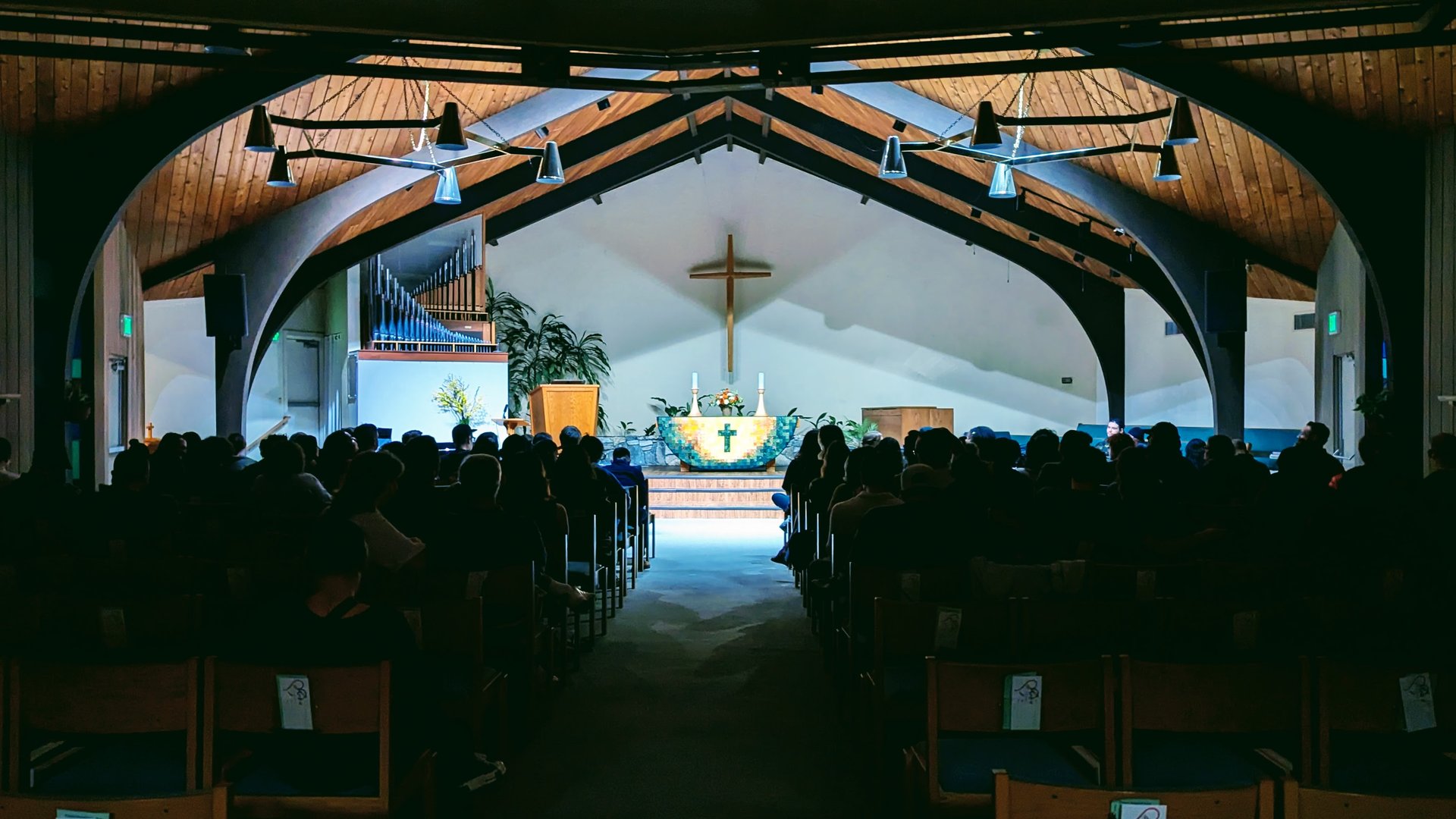
A Sacred Space to Encounter God
Our beautiful sanctuary, adorned with stained-glass windows, offers a sacred space to encounter God.
Let us know you're coming so that we can welcome you;
fill out the form below:
We Can't Wait to Meet You
Directions
Mesa Verde UMC is located in Costa Mesa, California, where we foster community and inclusivity in our welcoming congregation.
Location
Worship Time
Sundays @ 9AM
(714) 979-8234

Get in Touch
We welcome your questions and look forward to connecting with you.
Quick LINKS
(714) 979-8234
© 2025. All rights reserved.
Find US